search Chicago $425 million public transit funding 2025 2026
search Chicago infrastructure spending no public transit funding 2025
search Chicago $425 million public transit funding 2025 2026
search Chicago infrastructure spending no public transit funding 2025
search Chicago $425 million capital spending plan 2025 2026 budget
search site:mrf.lu/WHWq OR Chicago 425 million spending no transit 2026
search Chicago Mayor Johnson $425 million capital investment infrastructure 2025
search Chicago $425 million roads bridges buildings CTA funding excluded
search Chicago $425 million capital plan June 2026 announcement
search "425 million" Chicago spending announcement June 2026
search Chicago Johnson five year capital plan $18 billion transit CTA excluded
search Chicago Build Better Together capital plan transit funding CTA omitted
search Chicago $425 million roads infrastructure CDOT 2026 announcement no CTA
search Chicago capital spending announcement June 2026 streets bridges parks no transit
search "$425 million" OR "425 million" Chicago infrastructure spending transit 2026
search Chicago TIF funds $425 million capital spending plan alderman council 2026
search Chicago five year capital plan $18 billion 1.3 billion borrowing transit share breakdown
search Crain's Chicago Business $425 million capital infrastructure plan June 2026
search Foundry Park $202 million TIF Chicago infrastructure $425 million total
search Chicago Johnson $18 billion five year capital plan breakdown transit share zero CTA
search Chicago Johnson five year capital plan $18 billion breakdown water aviation transit roads TIF
search Brandon Johnson five year infrastructure plan Crain's $1.3 billion borrowing what's included
search Chicago $425 million public transit funding 2025 2026
search Chicago infrastructure spending no public transit funding 2025
search Chicago $425 million capital spending plan 2025 2026 budget
search site:mrf.lu/WHWq OR Chicago 425 million spending no transit 2026
search Chicago Mayor Johnson $425 million capital investment infrastructure 2025
search Chicago $425 million roads bridges buildings CTA funding excluded
search Chicago $425 million capital plan June 2026 announcement
search "425 million" Chicago spending announcement June 2026
search Chicago Johnson five year capital plan $18 billion transit CTA excluded
search Chicago Build Better Together capital plan transit funding CTA omitted
search Chicago $425 million roads infrastructure CDOT 2026 announcement no CTA
search Chicago capital spending announcement June 2026 streets bridges parks no transit
search "$425 million" OR "425 million" Chicago infrastructure spending transit 2026
search Chicago TIF funds $425 million capital spending plan alderman council 2026
search Chicago five year capital plan $18 billion 1.3 billion borrowing transit share breakdown
search Crain's Chicago Business $425 million capital infrastructure plan June 2026
search Foundry Park $202 million TIF Chicago infrastructure $425 million total
search Chicago Johnson $18 billion five year capital plan breakdown transit share zero CTA
search Chicago Johnson five year capital plan $18 billion breakdown water aviation transit roads TIF
search Brandon Johnson five year infrastructure plan Crain's $1.3 billion borrowing what's included
search Chicago "The 78" $425 million infrastructure announcement Sun-Times 2026
search "The 78" Chicago development infrastructure spending TIF 2026
search "The 78" $425 million TIF subsidy what infrastructure included transit CTA bus rapid
search "The 78" TIF infrastructure roads sewers water transit public transportation connection
dataset
search "The 78" TIF $425 million breakdown infrastructure roads sewers "public transit" OR "CTA" OR "bus" OR "train"
search "The 78" development transit access Red Line CTA bus connection South Loop
legislation
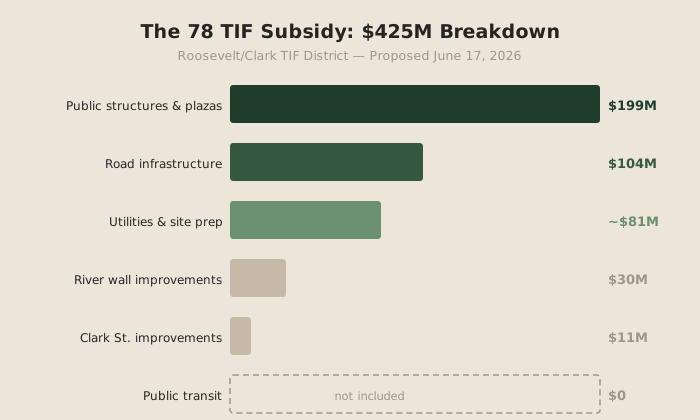
search "The 78" TIF $425 million breakdown "$199 million" "$104 million" "$30 million" transit station
search "The 78" Red Line station CTA transit funding TIF excluded 2026
dataset
search "The 78" TIF district name "78" OR "Roosevelt/Clark" OR "Near South" Chicago data portal
search "The 78" Chicago $425 million TIF breakdown full list items "river wall" "utility" "transit" 2026 Sun-Times
search Chicago "The 78" $425 million TIF full breakdown utility relocations "transit" OR "CTA station" OR "Red Line" included excluded
search "The 78" "$425 million" OR "$551 million" TIF redevelopment agreement 2026 what changed
search Chicago "The 78" TIF renegotiated "$425" "substantial reduction" $551 million original 2018 2026
search The 78 Chicago transit access problem CTA connection gap Red Line station cost who pays
search Chicago $425 million public transit funding 2025 2026
search Chicago infrastructure spending no public transit funding 2025
search Chicago $425 million capital spending plan 2025 2026 budget
search site:mrf.lu/WHWq OR Chicago 425 million spending no transit 2026
search Chicago Mayor Johnson $425 million capital investment infrastructure 2025
search Chicago $425 million roads bridges buildings CTA funding excluded
search Chicago $425 million capital plan June 2026 announcement
search "425 million" Chicago spending announcement June 2026
search Chicago Johnson five year capital plan $18 billion transit CTA excluded
search Chicago Build Better Together capital plan transit funding CTA omitted
search Chicago $425 million roads infrastructure CDOT 2026 announcement no CTA
search Chicago capital spending announcement June 2026 streets bridges parks no transit
search "$425 million" OR "425 million" Chicago infrastructure spending transit 2026
search Chicago TIF funds $425 million capital spending plan alderman council 2026
search Chicago five year capital plan $18 billion 1.3 billion borrowing transit share breakdown
search Crain's Chicago Business $425 million capital infrastructure plan June 2026
search Foundry Park $202 million TIF Chicago infrastructure $425 million total
search Chicago Johnson $18 billion five year capital plan breakdown transit share zero CTA
search Chicago Johnson five year capital plan $18 billion breakdown water aviation transit roads TIF
search Brandon Johnson five year infrastructure plan Crain's $1.3 billion borrowing what's included
search Chicago "The 78" $425 million infrastructure announcement Sun-Times 2026
search "The 78" Chicago development infrastructure spending TIF 2026
search "The 78" $425 million TIF subsidy what infrastructure included transit CTA bus rapid
search "The 78" TIF infrastructure roads sewers water transit public transportation connection
dataset
search "The 78" TIF $425 million breakdown infrastructure roads sewers "public transit" OR "CTA" OR "bus" OR "train"
search "The 78" development transit access Red Line CTA bus connection South Loop
legislation
search "The 78" TIF $425 million breakdown "$199 million" "$104 million" "$30 million" transit station
search "The 78" Red Line station CTA transit funding TIF excluded 2026
dataset
search "The 78" TIF district name "78" OR "Roosevelt/Clark" OR "Near South" Chicago data portal
search "The 78" Chicago $425 million TIF breakdown full list items "river wall" "utility" "transit" 2026 Sun-Times
search Chicago "The 78" $425 million TIF full breakdown utility relocations "transit" OR "CTA station" OR "Red Line" included excluded
search "The 78" "$425 million" OR "$551 million" TIF redevelopment agreement 2026 what changed
search Chicago "The 78" TIF renegotiated "$425" "substantial reduction" $551 million original 2018 2026
search The 78 Chicago transit access problem CTA connection gap Red Line station cost who pays
search Chicago $425 million public transit funding 2025 2026
search Chicago infrastructure spending no public transit funding 2025
search Chicago $425 million capital spending plan 2025 2026 budget
search site:mrf.lu/WHWq OR Chicago 425 million spending no transit 2026
search Chicago Mayor Johnson $425 million capital investment infrastructure 2025
search Chicago $425 million roads bridges buildings CTA funding excluded
search Chicago $425 million capital plan June 2026 announcement
search "425 million" Chicago spending announcement June 2026
search Chicago Johnson five year capital plan $18 billion transit CTA excluded
search Chicago Build Better Together capital plan transit funding CTA omitted
search Chicago $425 million roads infrastructure CDOT 2026 announcement no CTA
search Chicago capital spending announcement June 2026 streets bridges parks no transit
search "$425 million" OR "425 million" Chicago infrastructure spending transit 2026
search Chicago TIF funds $425 million capital spending plan alderman council 2026
search Chicago five year capital plan $18 billion 1.3 billion borrowing transit share breakdown
search Crain's Chicago Business $425 million capital infrastructure plan June 2026
search Foundry Park $202 million TIF Chicago infrastructure $425 million total
search Chicago Johnson $18 billion five year capital plan breakdown transit share zero CTA
search Chicago Johnson five year capital plan $18 billion breakdown water aviation transit roads TIF
search Brandon Johnson five year infrastructure plan Crain's $1.3 billion borrowing what's included
search Chicago "The 78" $425 million infrastructure announcement Sun-Times 2026
search "The 78" Chicago development infrastructure spending TIF 2026
search "The 78" $425 million TIF subsidy what infrastructure included transit CTA bus rapid
search "The 78" TIF infrastructure roads sewers water transit public transportation connection
dataset
search "The 78" TIF $425 million breakdown infrastructure roads sewers "public transit" OR "CTA" OR "bus" OR "train"
search "The 78" development transit access Red Line CTA bus connection South Loop
legislation
search "The 78" TIF $425 million breakdown "$199 million" "$104 million" "$30 million" transit station
search "The 78" Red Line station CTA transit funding TIF excluded 2026
dataset
search "The 78" TIF district name "78" OR "Roosevelt/Clark" OR "Near South" Chicago data portal
search "The 78" Chicago $425 million TIF breakdown full list items "river wall" "utility" "transit" 2026 Sun-Times
search Chicago "The 78" $425 million TIF full breakdown utility relocations "transit" OR "CTA station" OR "Red Line" included excluded
search "The 78" "$425 million" OR "$551 million" TIF redevelopment agreement 2026 what changed
search Chicago "The 78" TIF renegotiated "$425" "substantial reduction" $551 million original 2018 2026
search The 78 Chicago transit access problem CTA connection gap Red Line station cost who pays
search Chicago $425 million public transit funding 2025 2026
search Chicago infrastructure spending no public transit funding 2025
search Chicago $425 million capital spending plan 2025 2026 budget
search site:mrf.lu/WHWq OR Chicago 425 million spending no transit 2026
search Chicago Mayor Johnson $425 million capital investment infrastructure 2025
search Chicago $425 million roads bridges buildings CTA funding excluded
search Chicago $425 million capital plan June 2026 announcement
search "425 million" Chicago spending announcement June 2026
search Chicago Johnson five year capital plan $18 billion transit CTA excluded
search Chicago Build Better Together capital plan transit funding CTA omitted
search Chicago $425 million roads infrastructure CDOT 2026 announcement no CTA
search Chicago capital spending announcement June 2026 streets bridges parks no transit
search "$425 million" OR "425 million" Chicago infrastructure spending transit 2026
search Chicago TIF funds $425 million capital spending plan alderman council 2026
search Chicago five year capital plan $18 billion 1.3 billion borrowing transit share breakdown
search Crain's Chicago Business $425 million capital infrastructure plan June 2026
search Foundry Park $202 million TIF Chicago infrastructure $425 million total
search Chicago Johnson $18 billion five year capital plan breakdown transit share zero CTA
search Chicago Johnson five year capital plan $18 billion breakdown water aviation transit roads TIF
search Brandon Johnson five year infrastructure plan Crain's $1.3 billion borrowing what's included
search Chicago "The 78" $425 million infrastructure announcement Sun-Times 2026
search "The 78" Chicago development infrastructure spending TIF 2026
search "The 78" $425 million TIF subsidy what infrastructure included transit CTA bus rapid
search "The 78" TIF infrastructure roads sewers water transit public transportation connection
dataset
search "The 78" TIF $425 million breakdown infrastructure roads sewers "public transit" OR "CTA" OR "bus" OR "train"
search "The 78" development transit access Red Line CTA bus connection South Loop
legislation
search "The 78" TIF $425 million breakdown "$199 million" "$104 million" "$30 million" transit station
search "The 78" Red Line station CTA transit funding TIF excluded 2026
dataset
search "The 78" TIF district name "78" OR "Roosevelt/Clark" OR "Near South" Chicago data portal
search "The 78" Chicago $425 million TIF breakdown full list items "river wall" "utility" "transit" 2026 Sun-Times
search Chicago "The 78" $425 million TIF full breakdown utility relocations "transit" OR "CTA station" OR "Red Line" included excluded
search "The 78" "$425 million" OR "$551 million" TIF redevelopment agreement 2026 what changed
search Chicago "The 78" TIF renegotiated "$425" "substantial reduction" $551 million original 2018 2026
search The 78 Chicago transit access problem CTA connection gap Red Line station cost who pays
search Joe Mansueto Chicago Fire stadium The 78 financing TIF who benefits Related Midwest
search Chicago Fire stadium The 78 parking lease agreement Mansueto Related Midwest land deal
search Chicago Fire The 78 stadium Mansueto land purchase $69 million TIF reimbursement parking lease terms
search Chicago Fire The 78 redevelopment agreement TIF who gets reimbursed Related Midwest Mansueto split
search Chicago $425 million public transit funding 2025 2026
search Chicago infrastructure spending no public transit funding 2025
search Chicago $425 million capital spending plan 2025 2026 budget
search site:mrf.lu/WHWq OR Chicago 425 million spending no transit 2026
search Chicago Mayor Johnson $425 million capital investment infrastructure 2025
search Chicago $425 million roads bridges buildings CTA funding excluded
search Chicago $425 million capital plan June 2026 announcement
search "425 million" Chicago spending announcement June 2026
search Chicago Johnson five year capital plan $18 billion transit CTA excluded
search Chicago Build Better Together capital plan transit funding CTA omitted
search Chicago $425 million roads infrastructure CDOT 2026 announcement no CTA
search Chicago capital spending announcement June 2026 streets bridges parks no transit
search "$425 million" OR "425 million" Chicago infrastructure spending transit 2026
search Chicago TIF funds $425 million capital spending plan alderman council 2026
search Chicago five year capital plan $18 billion 1.3 billion borrowing transit share breakdown
search Crain's Chicago Business $425 million capital infrastructure plan June 2026
search Foundry Park $202 million TIF Chicago infrastructure $425 million total
search Chicago Johnson $18 billion five year capital plan breakdown transit share zero CTA
search Chicago Johnson five year capital plan $18 billion breakdown water aviation transit roads TIF
search Brandon Johnson five year infrastructure plan Crain's $1.3 billion borrowing what's included
search Chicago "The 78" $425 million infrastructure announcement Sun-Times 2026
search "The 78" Chicago development infrastructure spending TIF 2026
search "The 78" $425 million TIF subsidy what infrastructure included transit CTA bus rapid
search "The 78" TIF infrastructure roads sewers water transit public transportation connection
dataset
search "The 78" TIF $425 million breakdown infrastructure roads sewers "public transit" OR "CTA" OR "bus" OR "train"
search "The 78" development transit access Red Line CTA bus connection South Loop
legislation
search "The 78" TIF $425 million breakdown "$199 million" "$104 million" "$30 million" transit station
search "The 78" Red Line station CTA transit funding TIF excluded 2026
dataset
search "The 78" TIF district name "78" OR "Roosevelt/Clark" OR "Near South" Chicago data portal
search "The 78" Chicago $425 million TIF breakdown full list items "river wall" "utility" "transit" 2026 Sun-Times
search Chicago "The 78" $425 million TIF full breakdown utility relocations "transit" OR "CTA station" OR "Red Line" included excluded
search "The 78" "$425 million" OR "$551 million" TIF redevelopment agreement 2026 what changed
search Chicago "The 78" TIF renegotiated "$425" "substantial reduction" $551 million original 2018 2026
search The 78 Chicago transit access problem CTA connection gap Red Line station cost who pays
search Joe Mansueto Chicago Fire stadium The 78 financing TIF who benefits Related Midwest
search Chicago Fire stadium The 78 parking lease agreement Mansueto Related Midwest land deal
search Chicago Fire The 78 stadium Mansueto land purchase $69 million TIF reimbursement parking lease terms
search Chicago Fire The 78 redevelopment agreement TIF who gets reimbursed Related Midwest Mansueto split
search CTA Red Line Roosevelt station distance from The 78 Chicago walking distance
search CTA Orange Line Green Line nearest station to The 78 1331 S Wells Chicago distance
search Roosevelt CTA station Red Orange Green Line address coordinates walking distance The 78 site 1331 S Wells
search "The 78" site southern boundary 16th Street Clark Street river walking distance Roosevelt station LaSalle
search LaSalle Street Station Metra address distance The 78 16th Street Chicago walking
search Chicago $425 million public transit funding 2025 2026
search Chicago infrastructure spending no public transit funding 2025
search Chicago $425 million capital spending plan 2025 2026 budget
search site:mrf.lu/WHWq OR Chicago 425 million spending no transit 2026
search Chicago Mayor Johnson $425 million capital investment infrastructure 2025
search Chicago $425 million roads bridges buildings CTA funding excluded
search Chicago $425 million capital plan June 2026 announcement
search "425 million" Chicago spending announcement June 2026
search Chicago Johnson five year capital plan $18 billion transit CTA excluded
search Chicago Build Better Together capital plan transit funding CTA omitted
search Chicago $425 million roads infrastructure CDOT 2026 announcement no CTA
search Chicago capital spending announcement June 2026 streets bridges parks no transit
search "$425 million" OR "425 million" Chicago infrastructure spending transit 2026
search Chicago TIF funds $425 million capital spending plan alderman council 2026
search Chicago five year capital plan $18 billion 1.3 billion borrowing transit share breakdown
search Crain's Chicago Business $425 million capital infrastructure plan June 2026
search Foundry Park $202 million TIF Chicago infrastructure $425 million total
search Chicago Johnson $18 billion five year capital plan breakdown transit share zero CTA
search Chicago Johnson five year capital plan $18 billion breakdown water aviation transit roads TIF
search Brandon Johnson five year infrastructure plan Crain's $1.3 billion borrowing what's included
search Chicago "The 78" $425 million infrastructure announcement Sun-Times 2026
search "The 78" Chicago development infrastructure spending TIF 2026
search "The 78" $425 million TIF subsidy what infrastructure included transit CTA bus rapid
search "The 78" TIF infrastructure roads sewers water transit public transportation connection
dataset
search "The 78" TIF $425 million breakdown infrastructure roads sewers "public transit" OR "CTA" OR "bus" OR "train"
search "The 78" development transit access Red Line CTA bus connection South Loop
legislation
search "The 78" TIF $425 million breakdown "$199 million" "$104 million" "$30 million" transit station
search "The 78" Red Line station CTA transit funding TIF excluded 2026
dataset
search "The 78" TIF district name "78" OR "Roosevelt/Clark" OR "Near South" Chicago data portal
search "The 78" Chicago $425 million TIF breakdown full list items "river wall" "utility" "transit" 2026 Sun-Times
search Chicago "The 78" $425 million TIF full breakdown utility relocations "transit" OR "CTA station" OR "Red Line" included excluded
search "The 78" "$425 million" OR "$551 million" TIF redevelopment agreement 2026 what changed
search Chicago "The 78" TIF renegotiated "$425" "substantial reduction" $551 million original 2018 2026
search The 78 Chicago transit access problem CTA connection gap Red Line station cost who pays
search Joe Mansueto Chicago Fire stadium The 78 financing TIF who benefits Related Midwest
search Chicago Fire stadium The 78 parking lease agreement Mansueto Related Midwest land deal
search Chicago Fire The 78 stadium Mansueto land purchase $69 million TIF reimbursement parking lease terms
search Chicago Fire The 78 redevelopment agreement TIF who gets reimbursed Related Midwest Mansueto split
search CTA Red Line Roosevelt station distance from The 78 Chicago walking distance
search CTA Orange Line Green Line nearest station to The 78 1331 S Wells Chicago distance
search Roosevelt CTA station Red Orange Green Line address coordinates walking distance The 78 site 1331 S Wells
search "The 78" site southern boundary 16th Street Clark Street river walking distance Roosevelt station LaSalle
search LaSalle Street Station Metra address distance The 78 16th Street Chicago walking